Understanding the Role of Waterproofing Companies
Waterproofing companies play a major role in protecting buildings from water damage and keeping structures sound over time. They use specialized techniques and materials to prevent water from entering, which helps prevent issues like mold and material breakdown. A reliable waterproofing team can handle everything from interior treatments to exterior barriers, depending on what your building needs. This post covers the types of services these companies offer, common causes of water damage, and what to look for when hiring. Understanding what waterproofing companies do helps you make smarter decisions about protecting your property.
Importance of Waterproofing Companies
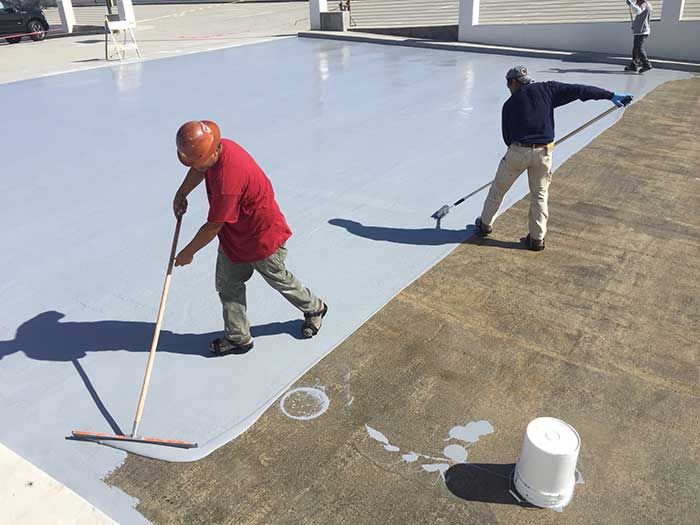
Waterproofing companies are key to preventing water damage and maintaining buildings' structural integrity. Using advanced techniques and high-quality materials, these companies build barriers that prevent water from entering, protecting against mold growth, material degradation, and potential structural failures. Waterproofing pros conduct thorough inspections to identify weak spots in a building's waterproofing system and recommend solutions tailored to specific needs. Through specialized coatings, membranes, and sealants, they deliver long-lasting protection for both new builds and older structures. Their expertise keeps buildings durable for years, making them a valuable part of the construction and maintenance industry.
Types of Waterproofing Services
To get a full picture of what waterproofing companies offer, it helps to understand the techniques available for different building types. Waterproofing services fall into three main categories:
1) Internal Waterproofing, which treats interior surfaces to stop water from getting through using coatings, membranes, and sealants.
2) External Waterproofing, which protects the outside of a structure from water damage through exterior membranes, drainage systems, and coatings.
3) Integral Waterproofing, where waterproofing compounds get mixed into concrete or mortar during construction to make the structure more resistant to water. Knowing these service types is important for choosing the right protection against water damage in different building situations.
Common Causes of Water Damage
Knowing what causes water damage helps you put the right waterproofing solutions in place. One common culprit is leaking roofs caused by damaged shingles, poor installation, or clogged gutters. Cracks in walls or foundations let water seep in during heavy rain or snowmelt. Windows and doors that aren't sealed properly can also allow water inside. Faulty plumbing, such as leaky pipes or fixtures, poses serious indoor water damage risks. Poor ventilation in bathrooms and kitchens lead to moisture buildup, which causes mold and structural problems over time. Staying aware of these causes puts you in a better position to fix weak spots and protect your property from major water damage.
Benefits of Professional Waterproofing
Hiring professional waterproofing services can seriously extend your building's lifespan and structural strength. Professionals bring specialized knowledge in preventing water intrusion, helping you save money on repairs down the road. With professional services, your building gets proper protection against water damage, mold, and structural wear. These companies use high-quality materials and proven techniques that provide lasting protection for your property. Their detailed assessments and precise application of solutions tailored to your needs effectively guard your building from water-related problems. Investing in professional waterproofing protects your property and adds value by keeping it in good condition.
Waterproofing Materials and Techniques
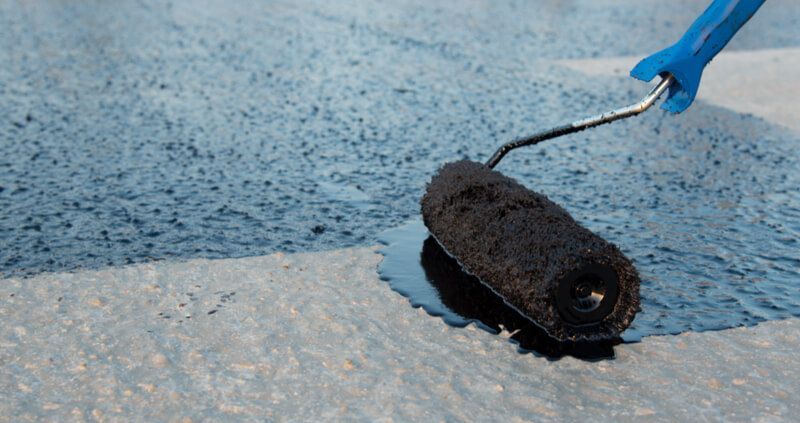
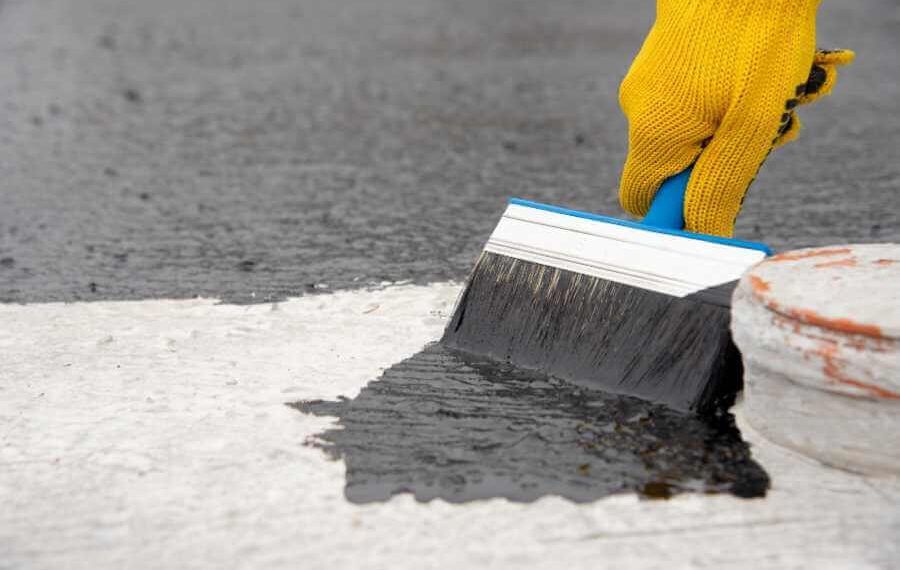
There's a wide range of waterproofing materials and methods available to protect your building from water damage and maintain its structural integrity. Materials such as bituminous coatings, site coatings, and liquid membrane systems create barriers to water ingress. Bituminous coatings, made from asphalt or coal-tar pitch, provide strong waterproofing. Cementitious coatings, which combine cement and polymers, work well for concrete structures. Liquid membrane systems provide seamless waterproofing and are easy to apply. Methods include waterproofing additives mixed into concrete during construction, external membranes applied to the exterior of structures, and interior sealants for cracks, all of which offer solid protection. Understanding these materials and methods helps you make informed choices for keeping water out of your building.
Choosing the Right Waterproofing Company
To ensure effective waterproofing for your building, take time to evaluate and choose a reputable company that meets your project needs. Start by researching companies with a proven history of successful waterproofing projects similar to yours. Look for certifications from groups like the Waterproofing Association to confirm they meet industry standards. Check customer reviews and feedback to see how satisfied past clients have been. Get detailed proposals from several companies and compare their methods, materials, timelines, and pricing. Make sure the company carries proper insurance and offers warranties to protect your investment. Set up meetings with potential companies to talk through your project and gauge their expertise and professionalism. Taking time to choose the right waterproofing company pays off in your building's long-term durability.
Related Topics:
You might also like