Why Waterproofing Is Important for Protecting Your Property
Water damage causes about 90% of structural problems in buildings, making waterproofing one of the smartest investments a property owner can make. A solid waterproofing system creates a barrier that keeps water out and protects everything from your foundation to your interior walls. Waterproofing experts can assess your property's weak points and recommend the right solutions for your specific situation. This post covers why waterproofing matters, common water damage issues, and the methods that actually work. We'll also break down how different property types require different approaches and why the upfront cost pays off in the long term.
Importance of Waterproofing
Waterproofing protects your property from water damage and keeps its structure sound. The right waterproofing measures create a barrier that prevents water from getting in, helping prevent expensive problems like mold, material breakdown, and weakened foundations. Effective methods include quality sealants, membranes, and drainage systems that move water away from problem areas. Regular inspections and maintenance help catch small issues before they become big ones. Investing in proper waterproofing not only protects your property but also extends its lifespan and reduces repair costs.
Common Water Damage Issues
Water damage can cause serious property damage if you don't address it promptly. When water gets into a building, it leads to issues like:
- Structural Degradation: Water weakens foundations and structural parts, putting the building's stability at risk.
- Mold Growth: Extra moisture creates ideal conditions for mold, posing health risks and requiring expensive cleanup.
- Electrical Hazards: Water damage can disrupt electrical systems, increasing the risk of short circuits and fires.
- Decreased Property Value: Unaddressed water damage harms a property's appearance and functionality, significantly reducing its resale or rental value.
Taking care of water damage fast through proper waterproofing is key to protecting your investment.
Benefits of Proper Waterproofing
Stopping water before it gets in offers real advantages for property owners. Waterproofing protects a building's structure by lowering the risk of water damage, mold, and material breakdown. It helps keep indoor spaces healthy by preventing moisture buildup that can cause health problems. Good waterproofing also extends a property's lifespan, reducing the need for expensive repairs from water-related damage. By creating a barrier against water, these systems give property owners peace of mind knowing their investment stays protected. The benefits of proper waterproofing directly affect a property's value and its longevity.
Waterproofing Methods and Solutions
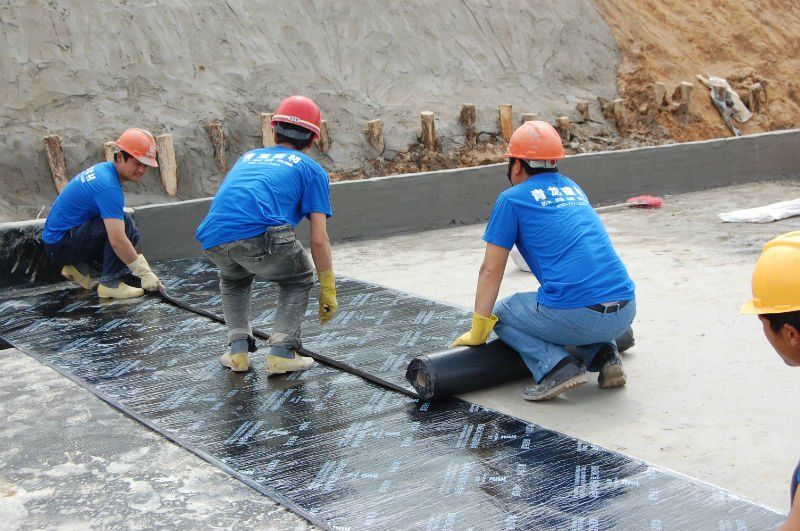
Using the right waterproofing methods is essential for keeping properties safe from water damage and for making them last. When picking a waterproofing approach, you need to match the method to your property's specific needs. Here are four effective solutions that improve protection:
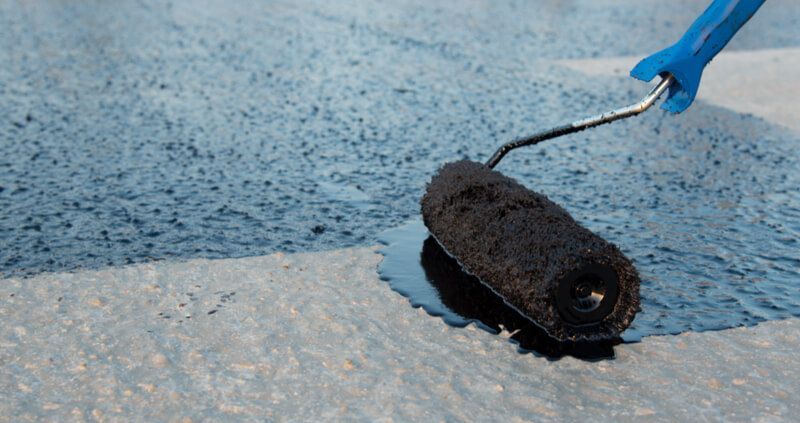
- Exterior Waterproofing: This method applies coatings or membranes to exterior walls to prevent water from penetrating.
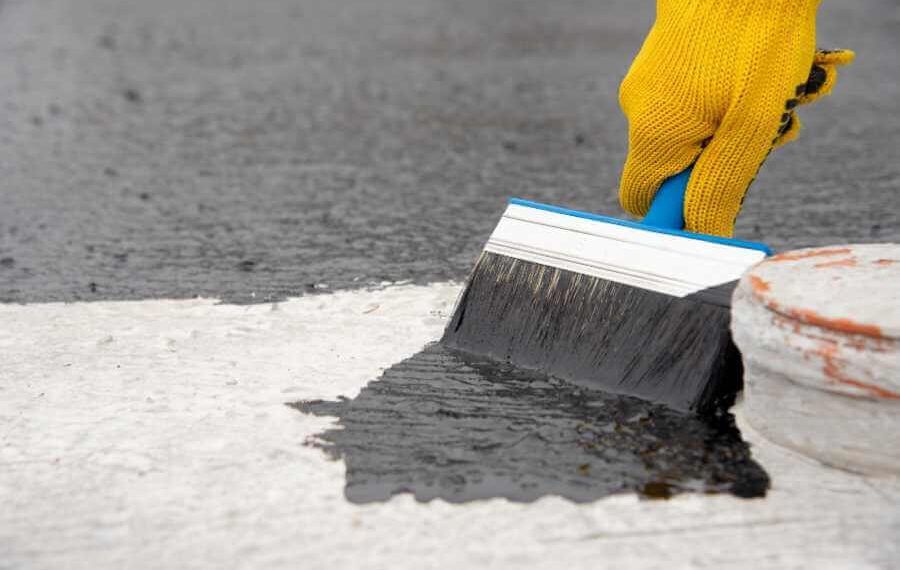
- Interior Sealants: Using sealants on indoor surfaces creates a barrier against moisture and leaks.
- French Drains: Installing French drains redirects water away from your property's foundation.
- Sump Pump Systems: Sump pumps remove excess water from basements or crawl spaces to stop flooding and water damage.
Waterproofing for Different Property
Types
Different properties need different waterproofing approaches to block water damage and maintain structural integrity. For homes, waterproofing basements and foundations is key to stopping water that could cause mold and foundation cracks. Commercial buildings, such as offices and warehouses, often require comprehensive waterproofing systems to protect valuable equipment and inventory. Industrial facilities require specialized methods to guard against chemical corrosion and structural damage from water exposure. High-rise buildings need sealed joints, balconies, and roofs to prevent water from seeping into interior spaces. Matching waterproofing strategies to specific property types ensures long-term protection and makes structures more durable.
Cost-Effectiveness of Waterproofing
Waterproofing offers a cost-effective way to protect properties from water damage and keep them structurally sound over time. When thinking about the cost-effectiveness, consider these factors:
- Prevention of Expensive Repairs: Waterproofing helps you avoid costly repair bills from water damage, saving significant money down the road.
- Increased Property Value: Proper waterproofing increases your property's value, providing a return on investment if you ever sell.
- Insurance Premium Reduction: Some insurance companies offer lower premiums for properties with adequate waterproofing, leading to ongoing savings.
- Health Benefits: Waterproofing stops mold and mildew growth, creating a healthier indoor space and reducing potential medical costs.
Related Topics:
You might also like