What Is Waterproofing?
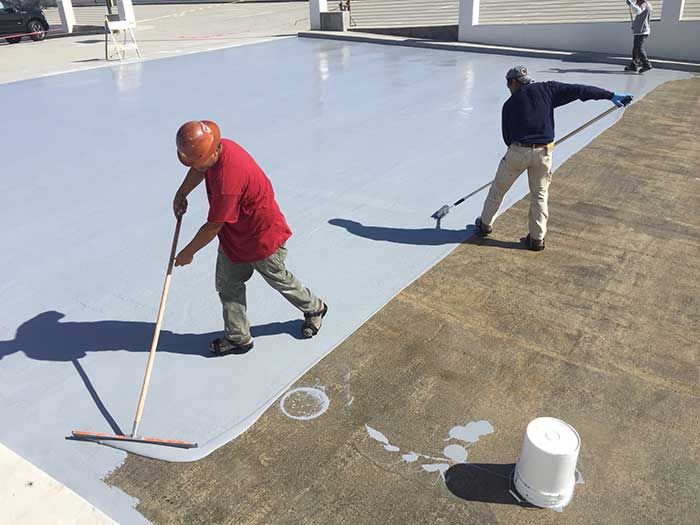
Waterproofing creates a water-resistant barrier on structures by applying protective layers that prevent moisture from entering and causing damage. The process involves applying membranes or coatings to surfaces such as roofs, walls, foundations, and decks to prevent water penetration and protect against structural problems. Unlike damp-proofing, which only handles vapor and light moisture, waterproofing can handle serious water pressure from the ground and provides much stronger protection. This keeps buildings safe from mold, corrosion, and decay while improving durability and indoor air quality. For homeowners seeking reliable local waterproofing in Quincy, MA, understanding these different methods, from external membranes to liquid-applied coatings, helps ensure long-term protection for foundations, roofs, and basements where water damage hits hardest.
Why Waterproofing Is Important
Waterproofing plays a pivotal role in extending a building's lifespan by preventing water infiltration that could lead to severe structural damage. Moisture can seep into cracks, causing corrosion, mold growth, and decay over time. By applying waterproofing materials, particularly in vulnerable areas such as basements, roofs, and foundations, buildings are shielded from these damaging effects. Waterproofing not only protects the physical structure but also helps maintain indoor air quality, minimizing dampness and preventing mold-related health issues. The value of investing in waterproofing is clear: it ensures the longevity and durability of any structure, protecting both the building and its occupants from water-related risks.
Types of Waterproofing Techniques
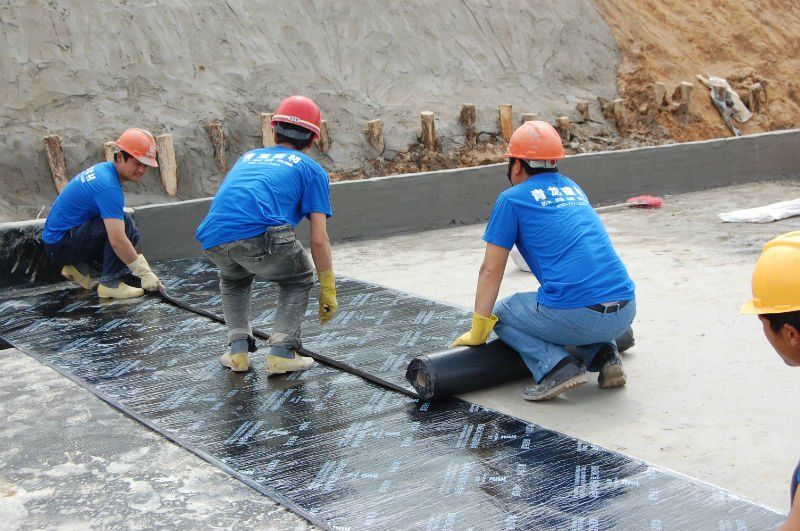
To effectively shield a structure from water damage, various waterproofing methods are used, each tailored to specific areas like basements, roofs, and foundations. For basements, popular techniques include external waterproofing membranes, interior sealants, and drainage systems. Roof waterproofing often involves materials like bituminous membranes, PVC membranes, or elastomeric coatings. Foundation waterproofing uses liquid-applied membranes, bentonite clay, or concrete waterproofing compounds. The choice of method depends on several factors, including the building's location, the severity of water exposure, and the construction materials. Selecting the appropriate technique is vital for ensuring long-lasting protection and preventing water damage.
Key Benefits of Waterproofing
Waterproofing offers essential protection for buildings, enhancing their durability and lifespan. It prevents water intrusion, which could otherwise lead to severe damage such as corrosion of steel reinforcements and the growth of harmful mold. This proactive approach not only minimizes maintenance costs but also helps buildings last longer by protecting against moisture-related damage. Additionally, waterproofing can improve energy efficiency by preventing water from compromising insulation, reducing energy losses. It also fosters a healthier indoor environment by preventing issues like dampness and poor air quality. Ultimately, waterproofing is an investment that pays off by safeguarding a building’s structural integrity and performance over time.
Applications of Waterproofing
Waterproofing is a versatile process with applications that protect various parts of a building from water damage. Here’s how waterproofing can be effectively applied to key structural areas:
- Foundations: Waterproofing foundations prevents water from seeping into the building, helping protect it from cracks and structural degradation.
- Roofs: Waterproofing roofs prevents leaks and moisture infiltration, preserving the building's interior and avoiding mold formation.
- Basements: Waterproofing prevents water seepage, reduces dampness and flooding, and ensures the space remains dry and usable.
Waterproofing is also used for other items such as boats, clothing, electronic devices, and liquid packaging, further extending its utility beyond just building protection.
Waterproofing Materials
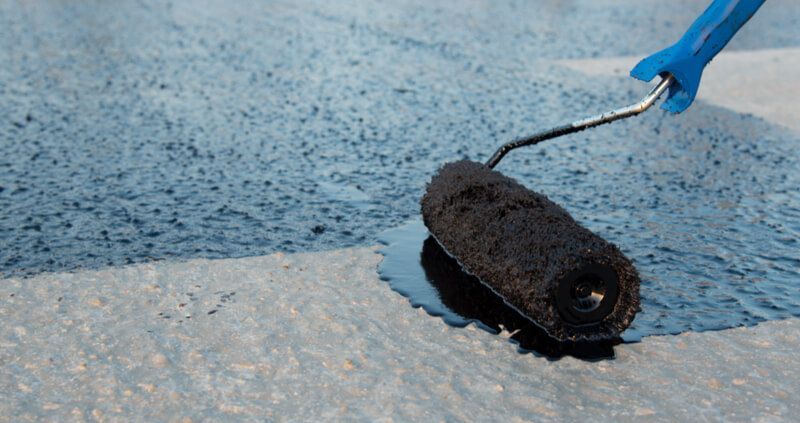
Choosing the right waterproofing material is essential for ensuring long-lasting protection. Common options include bituminous coatings, rubberized asphalt, polyurethane liquid membranes, and cementitious waterproofing. Bituminous coatings, which are asphalt-based, provide a robust barrier against water. Rubberized asphalt enhances flexibility, offering greater resilience. Polyurethane liquid membranes form seamless waterproof layers ideal for roofs and foundations, while cementitious waterproofing, a mixture of cement and additives, prevents water seepage in concrete structures. Materials like bitumen, PVC, and EPDM are also popular choices. Seams and penetrations (such as pipes or drains) are sealed with tape or specialized products to ensure watertightness.
Each material is carefully selected based on factors like surface type, exposure to the elements, and required durability, ensuring the best possible protection.
Waterproofing Techniques
Waterproofing involves a range of techniques designed to block water from entering a building. Here are three key methods used to create an effective waterproof barrier:
- Surface Water-resistant: This approach involves applying water-resistant coatings to the surfaces of structures such as roofs, walls, and basements, creating an exterior shield against moisture.
- Injection Water-resistant: For concrete structures, this technique uses injection waterproofing materials to fill cracks and joints, blocking any potential water pathways.
- Integral Water-resistant: By incorporating water-resistant compounds directly into the concrete mix, this technique makes the concrete itself water-resistant, providing built-in protection.
These techniques are essential for ensuring that structures remain intact and durable over time, protecting them from the damaging effects of water.
Contact Us
Have a question or ready to get started? We’re here to help!
Shore Water Management System LLC is located in Quincy, Massachusetts, and serves the Boston area, including Middlesex, Norfolk & Plymouth counties.
Call us: (781) 888-5070
Hours of operation:
- Monday–Friday: 8 AM – 5 PM
- Saturday: 9 AM – 3 PM
- Sunday: Closed
Prefer writing? Just fill out the quick contact form on our website (First Name, Phone, Email, Address & Message), and we’ll respond as soon as possible. We look forward to helping you with your waterproofing and foundation needs!
Related Topics:
You might also like