Understanding How Waterproofing Works
Waterproofing uses materials that prevent water from entering your home's foundation, walls, and other vulnerable areas. The process creates a protective barrier that keeps moisture out and prevents structural damage over time. Quincy's best waterproofing team can help you pick the right materials, like liquid membranes, bituminous coatings, or cementitious products, based on your specific situation. This post covers why waterproofing matters, the different materials available, how they're applied, and what benefits you get from doing it right. Understanding these basics helps you make smarter decisions about protecting your property.
Importance of Waterproofing
Waterproofing plays a major role in protecting buildings from water damage by preventing moisture from entering. By creating a barrier that repels water, waterproofing maintains the structural integrity of your home or building. The process involves applying specialized materials or membranes to surfaces prone to water intrusion, such as foundations, roofs, and walls. Beyond preventing immediate problems like leaks and mold growth, waterproofing also stops long-term damage such as erosion, corrosion, and material breakdown. Good waterproofing techniques help maintain durability and reduce the need for expensive repairs later. Getting this right from the start makes a big difference in how long your structure lasts.
Types of Waterproofing Materials
Different materials work for different waterproofing applications, each designed to handle moisture exposure and stop water from seeping through surfaces. When choosing the right material, consider the surface type, the amount of water exposure, and the level of durability you need. Here are three common types of waterproofing materials:
- Polyurethane Coatings: These coatings flex and adhere to various surfaces, providing a seamless protective layer.
- EPDM Membranes: Ethylene Propylene Diene Monomer (EPDM) membranes are synthetic rubber that holds up well against UV rays and weather.
- Cementitious Waterproofing: This option mixes cement with additives to create a rigid barrier that prevents water from penetrating.
Mechanism of Waterproofing
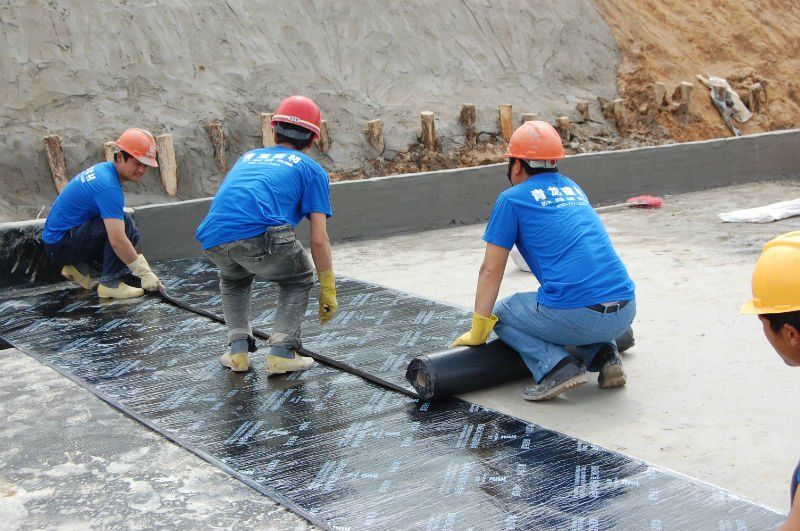
The way waterproofing works comes down to how specific materials and methods create a barrier against water. Waterproofing applies materials that prevent water from passing through surfaces like walls, floors, or roofs. The main idea is to create a continuous barrier that stops water molecules from entering. Materials such as liquid membranes, bituminous coatings, or cementitious products adhere tightly to surfaces and form this protective layer. This layer keeps water from seeping through and causing damage to the structure. Knowing how this works helps you pick the best waterproofing solution for your needs.
Application Techniques for Waterproofing
Getting waterproofing right depends on proper application techniques. Follow these steps to make sure your waterproofing job actually works:
- Surface Preparation: Clean and thoroughly inspect the surface. Remove any dirt, debris, or old coatings that might prevent the new material from sticking.
- Primer Application: Apply a primer that helps the waterproofing material bond to the surface for longer-lasting protection.
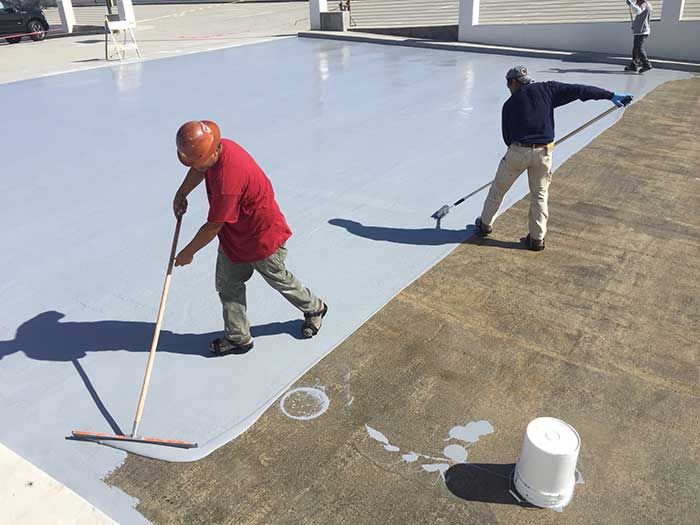
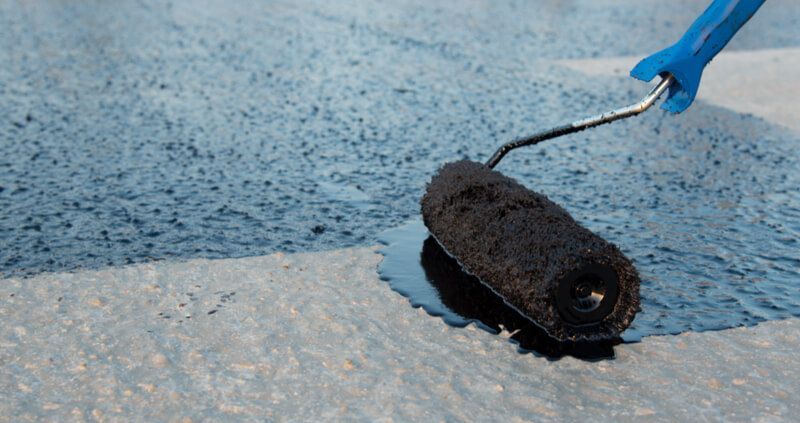
- Correct Material Application: Use the recommended method, spray, brush, or roller to apply the waterproofing material evenly. Full coverage creates a seamless barrier against water.
Benefits of Proper Waterproofing
Solid waterproofing protects against water damage by forming a reliable barrier that prevents moisture from entering structures. When you put effective waterproofing solutions in place, you can significantly extend the lifespan of buildings and infrastructure. Waterproofing guards against structural deterioration caused by water exposure, reducing the need for expensive repairs and maintenance. It also helps maintain indoor air quality by stopping mold and mildew growth, both of which can cause health problems. Good waterproofing also improves energy efficiency by reducing water leakage that can compromise your insulation. Investing in quality materials and techniques gives you long-term durability, peace of mind, and real cost savings down the road.
Considerations for Waterproofing Projects
Before starting a waterproofing project, you need to consider the specific environmental factors and conditions that could affect how well your solution performs. Keep these things in mind:
- Moisture Levels: Check current and potential moisture levels in the area to determine which waterproofing materials and methods you actually need.
- Structural Vulnerabilities: Find any weak spots or problem areas that could compromise the waterproofing system, and fix them before you start.
- Climate Variations: Factor in local climate changes, such as temperature swings and rainfall amounts, so you can pick waterproofing solutions that withstand those conditions.
Related Topics:
You might also like