What Is the Best Waterproofing for Showers in Modern Bathrooms
Choosing the right waterproofing method for your shower makes a huge difference in how long your bathroom holds up. Modern bathrooms need solid protection against moisture to prevent leaks, mold, and structural damage down the line. A skilled waterproofing team can help you pick the best option based on your bathroom's layout and your budget. This post covers the most popular waterproofing methods used in showers today, from liquid membranes to epoxy sealants. We'll break down how each one works so you can make an informed decision.
Liquid-Applied Membranes
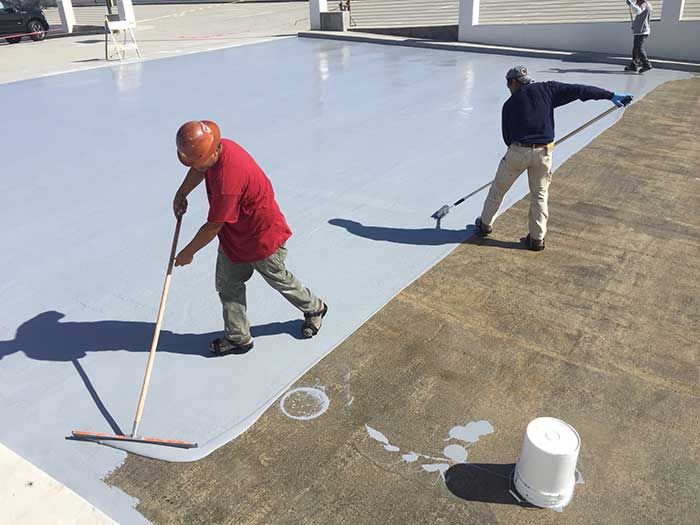
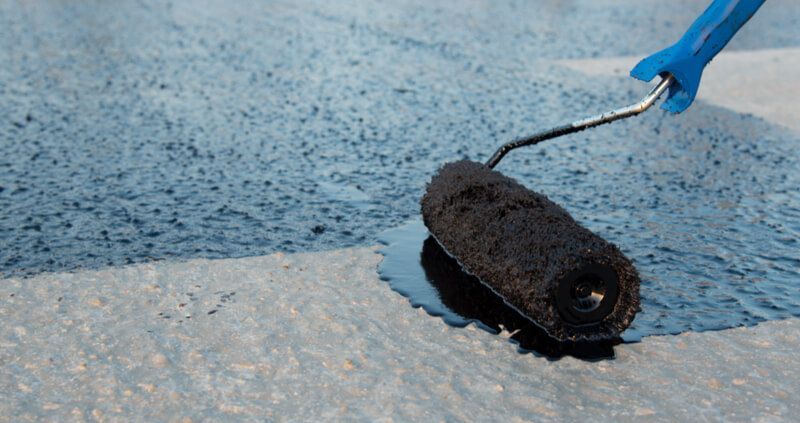
Liquid membrane applications are a go-to choice for shower waterproofing due to their flexibility and durability. These membranes are usually made from rubberized or polymer-modified asphalt, creating a strong barrier that prevents water from entering shower areas. You apply them in liquid form, and they harden into a seamless waterproof layer that fits any shower shape or size. Liquid membranes stick well to surfaces and provide lasting protection against leaks and moisture damage. Just make sure to follow the manufacturer's instructions during application to get the best results. These membranes offer reliable defense against water penetration for years.
Sheet Membranes
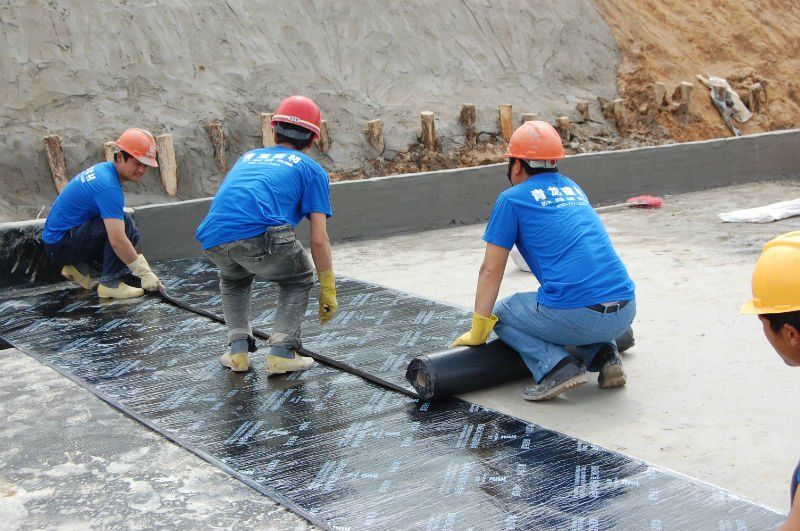
Sheet membranes are another solid option for keeping showers waterproof. These thin layers of waterproof material are applied to shower walls and floors to prevent moisture from passing through. Most sheet membranes are made from materials like PVC, CPE, or chlorinated polyethylene, all of which have strong waterproofing properties. To install them, stick the sheets to the surface with a suitable adhesive, creating a tight seal that prevents water from seeping in. Sheet membranes hold up well over time and resist cracking, giving shower areas long-lasting protection. When installed correctly, they're a dependable way to keep your shower enclosure watertight.
Waterproofing Systems
A good waterproofing system is key to keeping your shower enclosure watertight. Here are three main options to consider:
- Liquid Waterproofing Membranes: Applied by roller, brush, or spray, these create a seamless barrier against water. They work well with any shower shape or size.
- Waterproofing Sheet Systems: These pre-formed membranes make waterproofing quick and straightforward. They're easy to install and offer strong protection.
- Hybrid Waterproofing Systems: Combining liquid and sheet systems, hybrids give you the best of both worlds for maximum water protection in showers.
Cementitious Coatings
Cement-based coatings provide a durable protective layer on shower surfaces and enhance waterproofing throughout the enclosure. These coatings use cement-based mixtures that, when applied properly, form a seamless barrier against water. They bond well to various substrates, including concrete, masonry, and even metal. That strong bond helps them handle daily shower use while blocking moisture from reaching the underlying structure. Cement-based coatings also resist mold and mildew growth, which helps your shower enclosure last longer. When you follow the manufacturer's guidelines, these coatings deliver reliable waterproofing for modern bathrooms.
Polyethylene Sheets
Polyethylene sheets are a common and effective way to boost water resistance in showers. These sheets act as a barrier against moisture, stopping water from seeping into walls and causing damage. Here are three main benefits:
- Waterproof Barrier: Polyethylene sheets provide a reliable barrier that prevents water from reaching underlying surfaces.
- Easy Installation: These sheets are simple to install, making the process faster and more efficient than other waterproofing methods.
- Flexibility: Polyethylene sheets bend and conform to the shape of your shower area, providing full coverage and protection.
Epoxy Sealants
Epoxy sealants work extremely well for boosting shower waterproofing. They create a durable, waterproof barrier that prevents water from entering shower walls and floors. These sealants are especially useful in high-moisture areas like showers, as they provide strong protection against leaks and water damage. When applied correctly, epoxy sealants bond tightly to surfaces, including tiles, grout, and concrete, delivering long-lasting waterproofing performance. They also resist mold and mildew growth, making them a great choice for keeping your shower clean and healthy. If you want reliable waterproofing in your modern bathroom, epoxy sealants are worth considering.
Related Topics:
You might also like