What Is Basement Waterproofing and Why Your Home May Need It
Gerald Edme • November 22, 2025
Protecting your home from water damage starts with understanding basement waterproofing and when you need it. Quincy basement waterproofing
helps prevent moisture problems that can lead to serious structural issues and health hazards. This guide explains what waterproofing involves, from drainage systems to protective coatings. You'll learn the warning signs that indicate your basement needs attention, along with the available methods to address them. We'll also cover the costs and benefits so you can make the right decision for your home.
Importance of Basement Waterproofing
Waterproofing protects your home from water damage and mold growth. Water seeping through foundation walls and floors can compromise your building's structural integrity. A complete waterproofing system includes sealants, drainage membranes, sump pumps, and exterior coatings. Sealants fill cracks and gaps to prevent water from entering. Drainage membranes direct water away from the foundation, reducing pressure on your walls. Sump pumps remove excess water that collects in your basement. Exterior coatings create a moisture barrier that strengthens your entire waterproofing system. Investing in waterproofing preserves your home's value and creates a safe, healthy living environment.
Signs Your Home Needs Waterproofing
Water stains or discoloration on walls and ceilings are clear warning signs of water problems. These marks indicate water is seeping through cracks or gaps in your foundation. Mold or mildew growth in damp or dark areas indicates moisture issues. Musty odors in basements or crawl spaces point to excess moisture and poor ventilation. Peeling paint or wallpaper often results from water damage behind your walls. Pooling water, dampness, or white mineral deposits on concrete surfaces all signal water infiltration that needs immediate attention.
Different Waterproofing Methods Explained
Interior sealants are applied to interior walls to prevent moisture from entering. Exterior waterproofing coatings are applied to foundation walls to create a water barrier. Interior water drainage systems collect water seepage and direct it to a sump pump. Exterior drainage systems, such as French drains, manage water flow away from your foundation. Sump pumps remove water that accumulates in a basin, preventing flooding. Each method plays a role in keeping your basement dry and protected from water damage.
Benefits of Investing in Waterproofing
Waterproofing offers several advantages for homeowners:
- Protection: Waterproofing guards your basement against water damage, mold, and mildew.
- Increased Property Value: Proper waterproofing can raise your home's resale value.
- Health Benefits: Preventing water infiltration maintains a healthy indoor environment.
- Long-Term Savings: Investing in waterproofing now prevents costly repairs from water damage later.
These benefits show why waterproofing is a valuable investment in preserving your home's integrity and longevity.
DIY Vs. Professional Waterproofing
DIY waterproofing kits work for minor issues like small cracks or leaks, but they lack the comprehensive protection that professional services provide. Professionals use specialized tools, materials, and techniques that ensure a thorough and lasting solution. They also provide warranties that guarantee their work, giving you peace of mind. Professionals conduct detailed inspections to identify underlying issues that DIY methods might miss. Given the complexity of waterproofing systems, professional expertise usually delivers more effective and long-term results.
Cost Considerations for Waterproofing
Several factors affect your waterproofing budget:
- Extent of Waterproofing Needed: The size and scope of your project determine material and labor costs.
- Type of Waterproofing System: Different methods have different price points, from interior sealants to exterior excavation or French drains.
- Additional Repairs: Factor in necessary repairs, such as fixing cracks or installing a sump pump, which increase overall costs.
- Professional vs. DIY: Professional waterproofing costs more upfront, but DIY solutions can lead to expensive mistakes down the road.
Related Topics:
You might also like
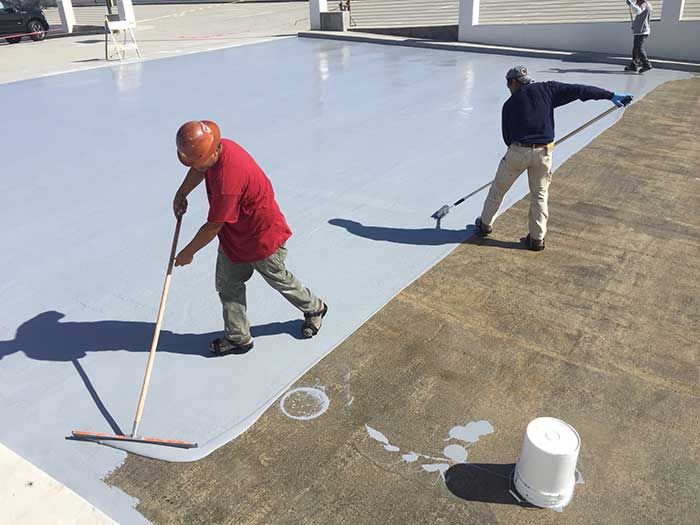
Understand why waterproofing is a smart investment for long-term property protection and durability.
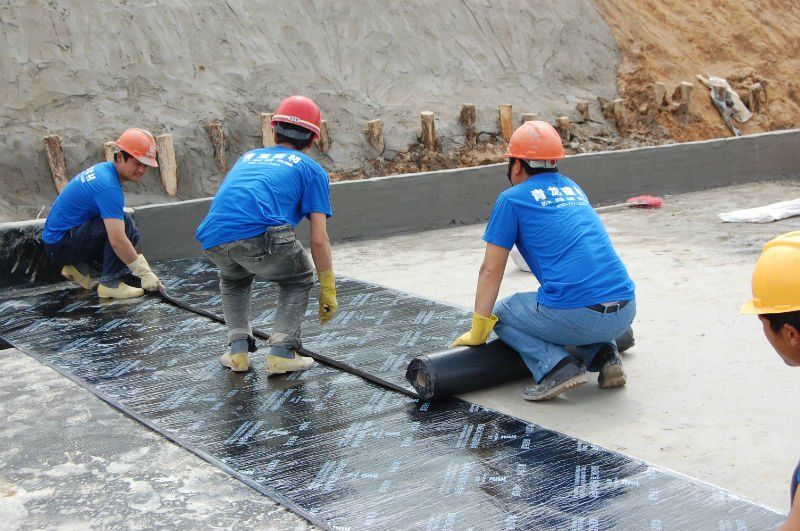
Discover the role waterproofing companies play in protecting foundations, basements, and structures.
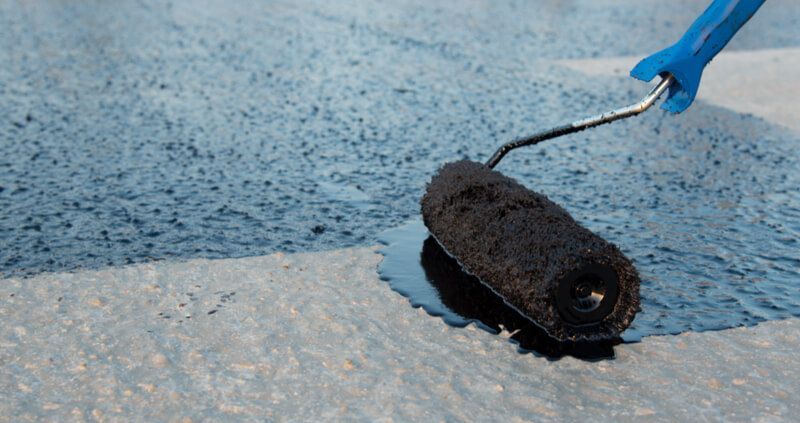
Understand how long to wait for waterproofing to dry for maximum effectiveness and durability.