Which Type of Waterproofing Is Best?
Gerald Edme • November 22, 2025
Homeowners comparing the best waterproofing method for residential foundations typically evaluate solutions based on building materials, moisture levels, soil conditions, and long-term maintenance needs. Different waterproofing systems, membrane coatings, cementitious applications, and concrete-enhancing additives address specific structural requirements. Basement foundations require exterior barriers or interior drainage channels to manage moisture effectively, while roof assemblies perform better with flexible membranes, such as liquid-applied or sheet-based coatings. For properties requiring professional waterproofing in Quincy, MA, each approach is selected based on water pressure, substrate type, and environmental exposure rather than a one-size-fits-all solution.
Benefits of Waterproofing
Waterproofing adds a protective barrier that limits moisture infiltration and supports long-term structural stability. When a moisture barrier reduces water entry, it minimizes risks such as mold, corrosion, concrete deterioration, and interior staining. Many property owners report fewer recurring leaks, less wall dampness, and improved indoor comfort after installing reliable waterproofing systems. Moisture control also helps maintain insulation performance by reducing the gaps and cracks that form when water weakens building materials. Investing in a reliable waterproofing method extends the lifespan of the structure and improves overall performance.
Popular Waterproofing Methods
Several commonly used waterproofing systems help protect different parts of a home:
- Membrane Waterproofing
- A continuous layer is applied to surfaces such as basements, roofs, and exterior walls to reduce water seepage.
- Waterproofing Additives
- Mixed into concrete or mortar, these additives reduce capillary pore size and increase resistance to moisture penetration.
- Cementitious Waterproofing
- A rigid coating that binds strongly to concrete, frequently used for pools, treatment areas, and below-grade structures.
Why Polyurethane Is Considered One of the Best Waterproofing Materials
Polyurethane is often regarded as one of the most effective waterproofing solutions due to its ability to create a seamless, flexible membrane. It penetrates deeply and evenly into the surface, allowing the coating to fill even the smallest cracks in concrete. Because it reduces water absorbency at a structural level, polyurethane provides strong protection for areas vulnerable to weather exposure, hydrostatic pressure, and surface movement. Its flexibility also makes it suitable for roofs, balconies, wet areas, and high-traffic surfaces.
Waterproofing for Basements
Basements need a layered approach to remain dry and structurally sound. External waterproofing focuses on preventing water from reaching the foundation by using membranes, drainage systems, and properly graded soil. Internal waterproofing prevents moisture from entering through concrete pores or small cracks. This may include drainage channels, sump pumps, moisture-resistant coatings, and vapor barriers. Homeowners often report noticeable reductions in dampness and improved air quality after combining internal and external methods for basement protection.
Roof Waterproofing Options
A roof is constantly exposed to rain, UV rays, and temperature fluctuations, making waterproofing a priority. Common roof waterproofing choices include:
- Polyurethane Liquid Membrane- forms a seamless coating suitable for irregular roof shapes.
- Bituminous Membrane- strong, durable, and commonly used in flat roofing
- EPDM Membrane- offers reliable weather resistance
- PVC Membrane- lightweight and resistant to chemicals
- Silicone Coating- flexible and suitable for revitalizing aging roof surfaces
Selecting the right method helps prevent leaks, surface deterioration, and premature roof repairs.
Exterior Waterproofing Solutions
Exterior waterproofing strengthens the outside of a structure by preventing water from reaching the foundation. Elastomeric coatings, acrylic-based sealants, exterior membranes, and French drains are widely used solutions. Many homeowners note improved wall stability, fewer moisture stains, and reduced hydrostatic pressure after applying exterior systems. Breathable coatings also help maintain exterior surfaces by preventing moisture buildup without trapping humidity inside the walls.
Waterproofing Outdoor Gear
Outdoor enthusiasts who frequently travel in wet environments can extend the life of their gear through proper waterproofing techniques. Seam sealing, applying DWR treatments, and using wash-in or spray-on waterproofing solutions help preserve performance. Materials such as eVent and other waterproof-breathable fabrics offer both airflow and moisture resistance. Regular cleaning and storing gear in ventilated areas prevent mold and maintain durability. Consistent upkeep often results in noticeably better comfort and reliability during unpredictable weather.
Contact Us
Have a question or ready to get started? We’re here to help!
Shore Water Management System LLC is located in Quincy, Massachusetts, and serves the Boston area, including Middlesex, Norfolk & Plymouth counties.
📞 Call us: (781) 888-5070
🕒 Hours of operation:
- Monday–Friday: 8 AM – 5 PM
- Saturday: 9 AM – 3 PM
- Sunday: Closed
Prefer writing? Just fill out the quick contact form
on our website (First Name, Phone, Email, Address & Message), and we’ll respond as soon as possible.
We look forward to helping you with your waterproofing and foundation needs!
Related Topics:
You might also like
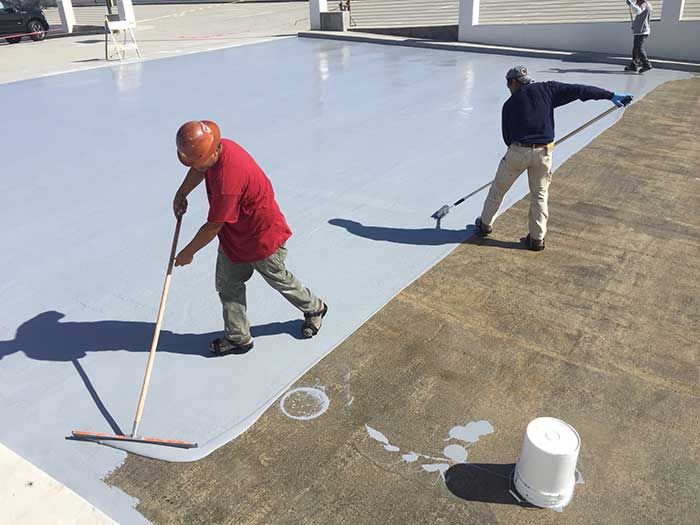
Understand why waterproofing is a smart investment for long-term property protection and durability.
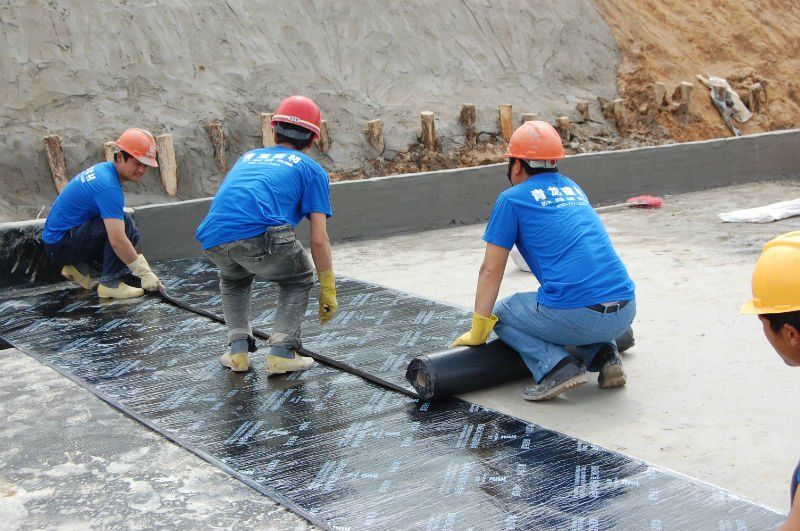
Discover the role waterproofing companies play in protecting foundations, basements, and structures.
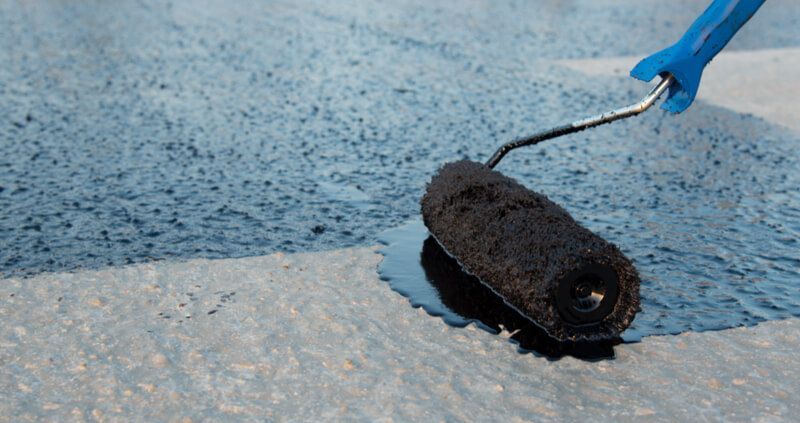
Understand how long to wait for waterproofing to dry for maximum effectiveness and durability.