How to Basement Waterproofing and Prevent Future Water Damage
Gerald Edme • November 22, 2025
Protecting your home's foundation from water damage starts with proper waterproofing. Professional basement waterproofing services
help you identify weak points and implement the right solutions. This guide covers everything from finding entry points to installing drainage systems. You'll learn both interior and exterior methods to keep water out. These steps will help you maintain a dry, safe basement for years to come.
Importance of Basement Waterproofing
Waterproofing your basement protects your home's foundation from serious water damage. Without proper protection, water can seep in, causing structural problems or mold growth. Exterior waterproofing coatings create a barrier on the outside of foundation walls. Interior sealants fill cracks and gaps where water might enter. Proper grading around your foundation and well-maintained gutters complete a solid waterproofing strategy. All these methods work together to keep your basement dry and your foundation strong.
Identify Common Water Entry Points
Water can enter basements through several common points. Cracks in foundation walls let water seep through during heavy rain or when the soil becomes saturated. Gaps around windows and doors create entry points if they're not sealed properly. Openings in the foundation floor around pipes or utility lines also provide pathways for water. Finding these vulnerable spots is the first step in preventing water intrusion. Once you know where water might enter, you can apply the right waterproofing solutions.
Seal Cracks and Gaps
Check your foundation walls carefully for any cracks or openings. Look at the exterior foundation walls first for visible damage from settling, soil shifts, or structural stress. Use hydraulic cement to seal smaller cracks effectively. For larger gaps, epoxy injections create a watertight seal that lasts. Pay special attention to spots where pipes or conduits go through the foundation; these are common entry points. Seal these penetrations with the right sealants or hydraulic cement. Fixing these problems quickly strengthens your foundation against water and protects your basement from damage.
Install Interior Drainage System
An interior drainage system manages water that tries to enter your basement. Here's what the installation involves:
- Excavation: Dig a trench along the perimeter of the basement floor.
- Weeping Tile Installation: Place weeping tile in the trench to collect water.
- Sump Pump Integration: Connect the weeping tile to a sump pump that removes water.
- Vapor Barrier Application: Install a vapor barrier to stop moisture from seeping through walls.
- Backfilling: Refill the trench with gravel for proper drainage.
Exterior waterproofing prevents water from reaching your foundation. Apply a waterproof membrane to the outside walls; this barrier prevents water from seeping into the foundation. Install exterior drain tiles along the foundation to divert water away from the building. Grade the soil so it slopes away from your foundation, which stops water from pooling near the walls. When rainwater flows away from your building rather than toward it, you significantly reduce the risk of water damage. When combined, these methods create a strong defense against water infiltration.
Maintenance Tips for a Dry Basement
Regular maintenance keeps your basement dry and prevents water problems. Follow these tips to maintain your waterproofing:
- Inspect Foundation: Check for cracks or gaps regularly and fix them quickly.
- Clean Gutters and Downspouts: Keep them clear of debris so water drains properly.
- Test Sump Pump: Test your sump pump every few months to confirm it works.
- Seal Basement Walls: Apply waterproof sealant to walls to block moisture.
- Monitor Humidity Levels: Use a hygrometer to keep humidity between 30% and 50% to prevent mold.
Related Topics:
You might also like
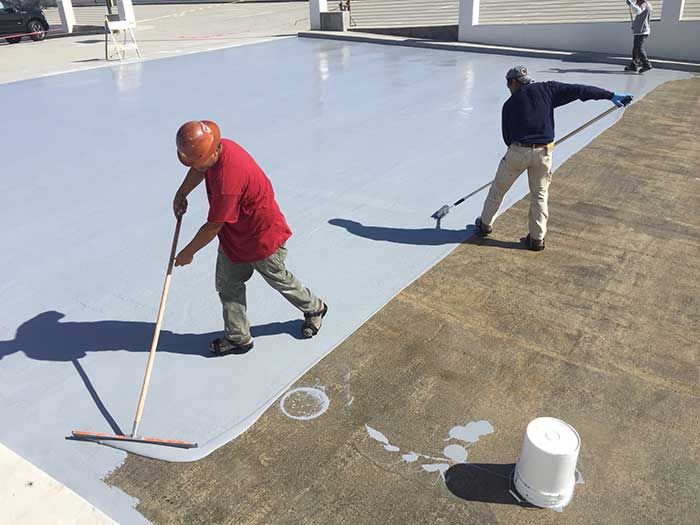
Understand why waterproofing is a smart investment for long-term property protection and durability.
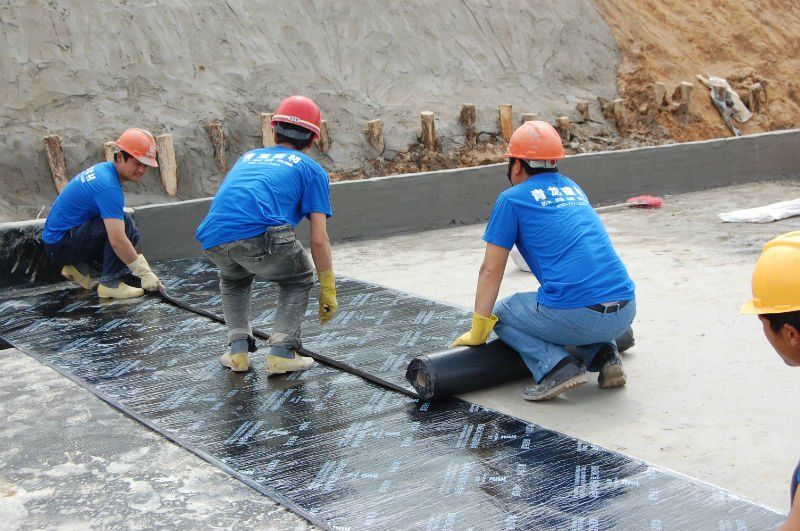
Discover the role waterproofing companies play in protecting foundations, basements, and structures.
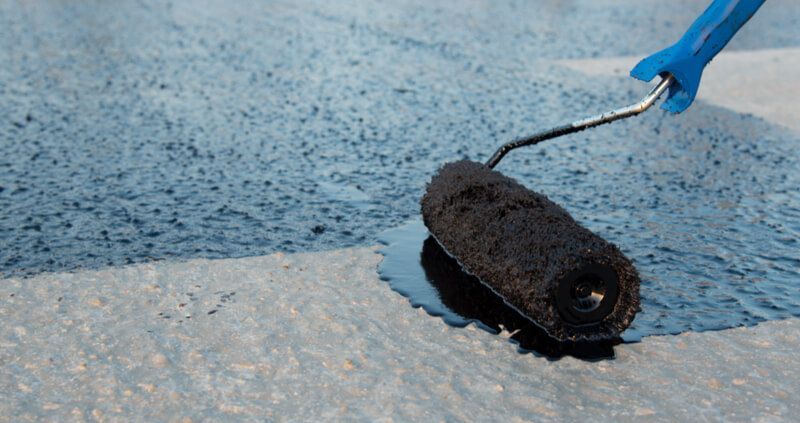
Understand how long to wait for waterproofing to dry for maximum effectiveness and durability.