What Is Commercial Waterproofing, and Why Does It Matter?
Water damage can wreck a building's structure and drain your budget if left unchecked. Commercial waterproofing creates barriers that keep water out and protect your property for years to come. For businesses seeking commercial waterproofing in Quincy, MA, understanding how these systems work helps you make smarter decisions about your building. This post covers the basics of waterproofing, common solutions, warning signs of water damage, and what to look for in a contractor. Knowing what's at stake can save you from expensive repairs down the road.
Importance of Commercial Waterproofing
Commercial waterproofing plays a major role in protecting buildings from water damage and maintaining their structural integrity over time. By applying membranes, coatings, and sealants, contractors create barriers that prevent water from entering the building envelope. These materials are built to handle environmental conditions and resist water penetration, keeping interior spaces safe from harm. Proper drainage systems and waterproofing solutions also help manage runoff, reducing water pooling and leakage risks. Understanding how waterproofing works and using the right techniques matters for maintaining your building's performance. Investing in high-quality waterproofing measures protects the value and functionality of your property for years.
Common Waterproofing Solutions
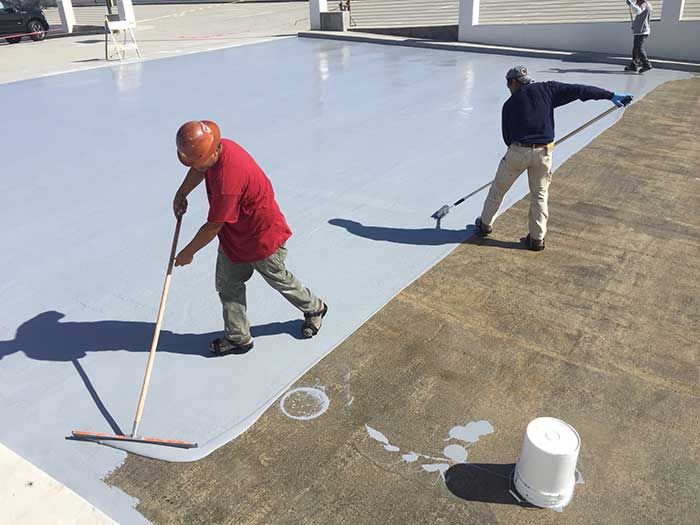
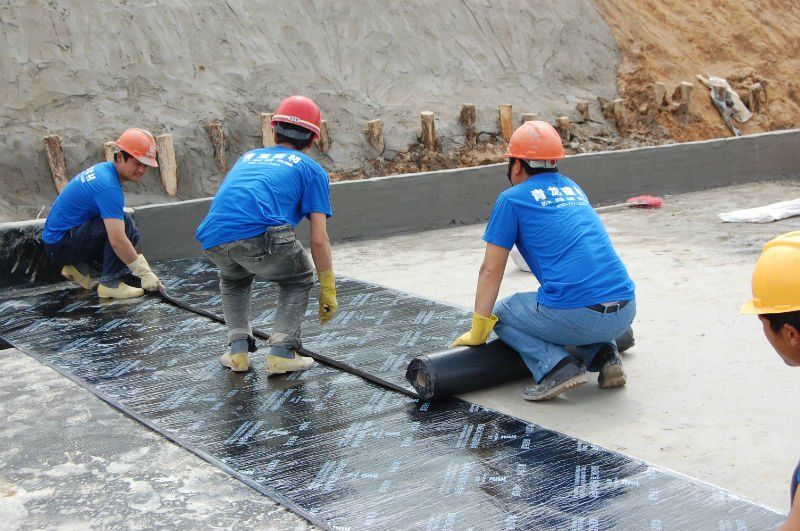
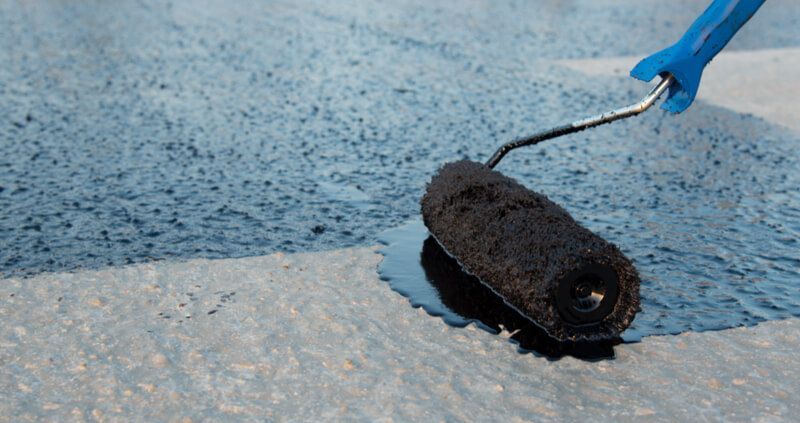
Different waterproofing methods protect buildings from water damage in their own ways. Waterproof coatings form a protective barrier against moisture and are often made from elastomeric, acrylic, or polyurethane materials that offer flexibility and durability. Waterproof membranes are another popular option; these typically use bituminous materials or synthetic rubbers to create a barrier that blocks water from entering the building envelope. Sealants around windows, doors, and other openings also prevent water from sneaking in through gaps. On top of that, proper drainage systems, such as gutters and downspouts, direct water away from the structure, providing another layer of protection against moisture-related problems.
Benefits of Waterproofing for Businesses
Waterproofing provides businesses with real advantages by protecting structures from water damage and keeping them in good condition. With the right waterproofing systems in place, you can avoid costly repairs from water getting in, mold growth, and structural wear. Waterproof membranes add a protective layer that extends the life of your building, reduces maintenance needs, and increases property value. Protecting against water damage also means fewer disruptions to daily operations, so your business keeps running smoothly. Investing in professional waterproofing services guards both the physical structure and the valuable equipment and inventory inside. The benefits go beyond simple protection; good waterproofing supports the long-term efficiency and sustainability of your business.
Factors Impacting Waterproofing Needs
Several things affect how much waterproofing a commercial building needs. Climate plays a big role, as areas with heavy rainfall or high humidity often require stronger waterproofing to prevent water from entering. Building materials matter, too; porous materials like concrete are more likely to let water through compared to non-porous options like metal. The building's design also affects waterproofing requirements. Structures with complex layouts, detailed features, or poor drainage may need specialized treatments to get full protection. Understanding these factors helps you figure out the most effective waterproofing approach for your specific building.
Signs of Water Damage in Commercial Buildings
Catching water damage early can save you from major headaches and repair bills. Water stains on walls or ceilings often indicate a plumbing or roof leak. Warped or discolored flooring might mean water is seeping up from the foundation or through cracks. Musty smells usually indicate mold growth due to excess moisture. Peeling paint or wallpaper can result from long-term water exposure. Visible mold or mildew on surfaces is a clear sign of a damp environment that needs attention. Regular inspections for these warning signs help prevent serious damage and keep your building structurally sound.
Hiring Professional Waterproofing Contractors
Picking the right waterproofing contractor for your commercial project takes some research. You want someone who understands the specific needs of commercial structures and has hands-on experience with different waterproofing methods and materials. Here's what to look for when hiring:
- Specialization: Find contractors who specialize in commercial waterproofing, ensuring they're familiar with the challenges of large-scale projects.
- Track Record: Check out their past projects and client reviews to gauge their work quality and reliability.
- Certifications: Look for relevant credentials, such as those from the Waterproofing Industry Council, to ensure they meet industry standards.
Related Topics:
You might also like