What Are the Benefits of Waterproofing a Home?
Water damage is one of the most common and expensive problems homeowners face. Protecting your home from moisture makes a real difference in both its condition and long-term value. A leading waterproofing company can help you identify weak spots and apply the right solutions before problems start. This post covers the main benefits of waterproofing, from preventing damage to improving air quality. Understanding these advantages helps you decide if waterproofing makes sense for your property.
Prevents Water Damage
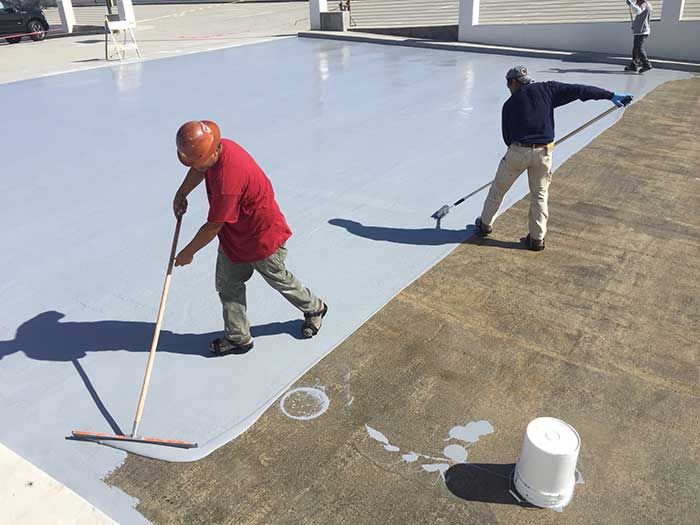
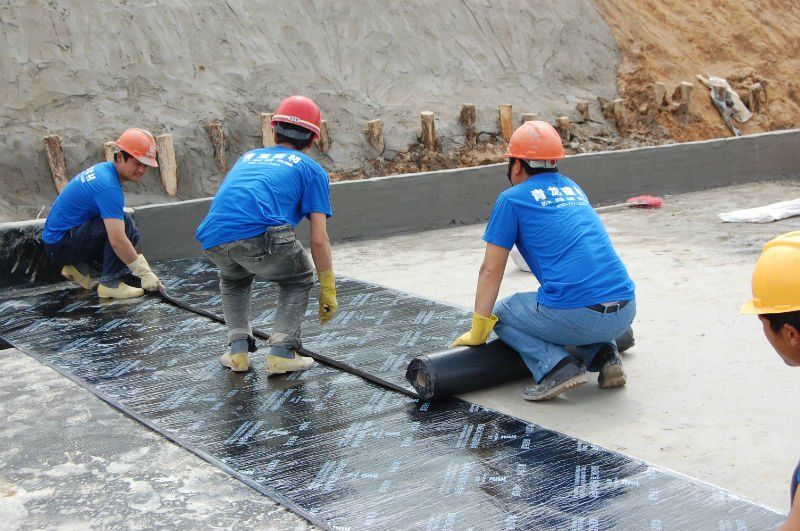
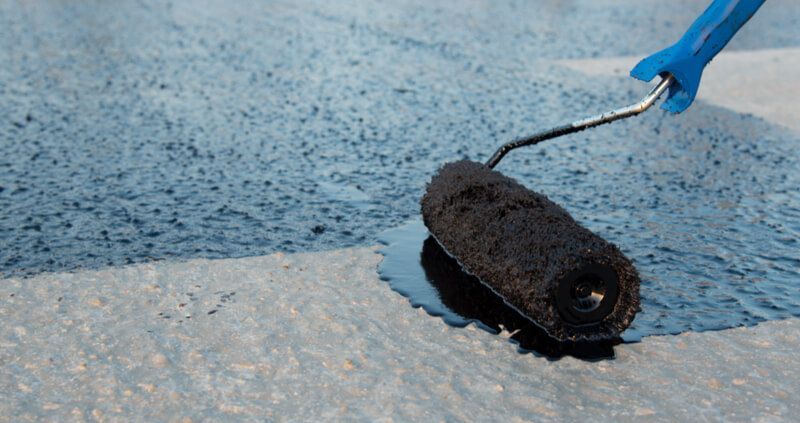
Waterproofing creates a protective barrier that prevents moisture from entering your home. This barrier typically uses specialized materials like waterproof membranes, coatings, or sealants. These are applied to vulnerable areas such as basements, foundations, roofs, and walls. By keeping water out, waterproofing protects your building's structure and reduces the risk of mold growth, rot, and decay. It also helps maintain a healthier indoor environment by reducing water-related health hazards. Regular maintenance and inspections keep the system working properly over time. Investing in quality waterproofing can save homeowners from costly repairs and help their property last longer.
Increases Property Value
Waterproofing adds to your home's market value by making it more durable and protected. Systems such as sealants, membranes, and drainage solutions prevent water from entering the structure, extending the property's lifespan. Stopping water damage means the foundation stays intact, reducing the risk of costly repairs and structural problems. Buyers look for homes that need less maintenance and hold up well over time, so a waterproofed property stands out on the market. Having a dry, secure interior thanks to good waterproofing adds a strong selling point for buyers who care about property value and structural soundness. Waterproofing doesn't just protect your home; it also makes it more attractive to future buyers.
Reduces Mold and Mildew Growth
Good waterproofing helps prevent mold and mildew inside your home. By preventing water from entering the foundation, walls, and roof, waterproofing removes the excess moisture that mold and mildew need to grow. Mold spores are common indoor air pollutants and allergens that need damp conditions to spread. Waterproofing acts as a barrier, keeping these harmful organisms out and improving indoor air quality. Mold and mildew can also cause structural damage and health issues, making prevention a priority for both your home's condition and your family's health. Waterproofing takes a proactive approach to fighting these risks before they start.
Extends Foundation Lifespan
Proper waterproofing adds years to your foundation's life. It protects against water damage that weakens structural integrity over time. By preventing water from entering, waterproofing reduces the risk of cracks, erosion, and foundation settling. Water poses a serious threat to concrete foundations. It seeps into cracks, freezes, and expands, causing even more damage. This expansion weakens the concrete and can lead to expensive repairs or complete foundation failure. Waterproofing creates a shield that keeps moisture away from the foundation, preserving its strength and stability. Investing in waterproofing protects not just the foundation but the entire structure of your home.
Improves Indoor Air Quality
Waterproofing plays a significant role in improving the air quality in your home by preventing moisture-related problems. When water gets into a house through cracks or leaks, it creates a damp environment where mold and mildew thrive. These fungi release spores into the air that can cause breathing issues, allergies, and other health problems. By waterproofing the foundation, walls, and other vulnerable areas, homeowners seal off entry points for water and reduce the risk of mold forming. Waterproofing also helps keep humidity levels steady inside the home, contributing to a healthier living space by preventing the spread of harmful microorganisms.
Enhances Overall Home Durability
Waterproofing strengthens your home's overall durability by protecting structural elements from water damage and helping building materials last longer. Here are the key points to keep in mind:
- Prevents Structural Deterioration: Waterproofing seals cracks and gaps, preventing water from entering and weakening the structure over time.
- Reduces Mold and Mildew Growth: By keeping moisture out, waterproofing stops mold and mildew from growing, which can damage your home and create health risks.
- Preserves Building Materials: Waterproofing protects materials such as wood, concrete, and metal from water-related decay, prolonging their lifespan.
- Increases Resale Value: A well-maintained, waterproof home with strong durability commands a higher resale price.
Related Topics:
You might also like